
Safety Culture Ladder step 2
Author: Kevin Klijn
Oct 11, 2023Audit / Safety at workSafety Culture Ladder step 2: What you need to know
In this blog, we will look at step 2 of the Safety Culture Ladder. What does step 2 of the Safety Culture Ladder entail? Is compliance with step 2 of the Safety Culture Ladder mandatory? And how can you arrange certification against step 2 of the Safety Culture Ladder? We will also give examples of the requirements and criteria that auditors bear in mind during the certification process.
What is the purpose of the Safety Culture Ladder?
The Safety Culture Ladder was created to increase safety awareness in companies and consists of five steps, such as Safety Culture Ladder step 2. The greater a company’s safety awareness, the higher it is on the ladder. At step 1, there is little to no safety awareness; at step 5, safety has been fully integrated into all a company’s business processes. Different requirements and criteria apply for each step and the same applies for the way in which criteria are valued and what auditors pay attention to.
What does step 2 of the Safety Culture Ladder entail?
On the official Safety Culture Ladder website, step 2 is defined as 'Reactive - Any change in behaviour is ad-hoc and temporary'. Companies on step 2 of the Safety Culture Ladder only make changes when accidents happen. Hence the term 'reactive'. At Safety Culture Ladder step 2, an accident could also encourage a company to take a critical look at its approach to safety. In principle, certification against step 2 indicates an ambition to progress to a higher step. Otherwise, any changes made will just be temporary.
How does certification for step 2 of the Safety Culture Ladder work?
You decide which step of the Safety Culture Ladder you want your company to be certified against. You also decide which of the four variants you are interested in:
- SCL Original (certificate issued)
- SCL (certificate issued)
- SCL Light (statement issued)
- Approved Self Assessment (document issued)
You can complete an online questionnaire (SAQ) to self-evaluate safety culture in your company and help you decide if you want to choose step 2 or another step. You will then be ready to engage a certification body (CB) to do an audit and certify your company. Auditors make a number of observing project visits and conduct interviews with management and employees, based on the relevant requirements and criteria. Some examples follow below.
Is compliance with step 2 of the Safety Culture Ladder mandatory?
Does your organization participate in construction tenders? Then it is mandatory to be able to demonstrate that you comply with step 2 of the Safety Culture Ladder. This sector agreement has been in effect since January 1, 2022. Currently, it is not mandatory for any company to comply with Safety Culture Ladder step 3. As of July 1, 2026, this will change for companies that have signed the Governance Code Safety in Construction (GCVB). Then this step will be mandatory for companies participating in construction tenders. For other companies, Safety Culture Ladder Step 3 is not mandatory. It is described as "Calculating, safety rules are considered important. A clear step forward from Safety Culture Ladder Step 2.
Companies in other sectors are not required to gain certification against a step on the Safety Culture Ladder. But, if you want to show that your company takes safety seriously, it is advisable to arrange certification against the Safety Culture Ladder. Whether your company is big or small and whether you are active in the service sector or industry, safety is always important.
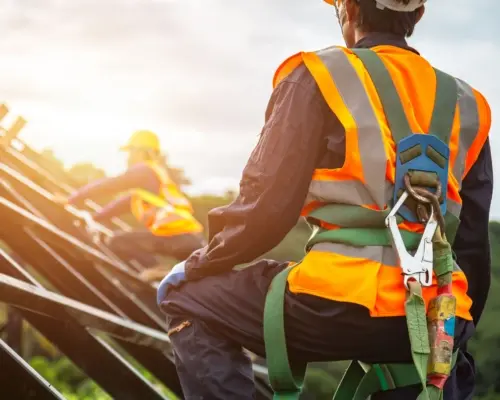
Requirements and criteria per step
Company aspect: employee involvement
Requirement (example): (operational) employees report risks.
Criterion (example): (operational) employees report detected risks after applying a risk assessment shortly before commencement of their work.
Requirement (example): (operational) employees report risks.
Criterion (example): (operational) employees report detected risks after applying a risk assessment shortly before commencement of their work.
Company aspect: profitability and continuity
Requirement (example): the Board makes a budget available for H&S.
Criterion (example): management has reserved a budget for the H&S activities included in the year plan.
Requirement (example): the Board makes a budget available for H&S.
Criterion (example): management has reserved a budget for the H&S activities included in the year plan.
Company aspect: contractors
Requirement (example): management subjects contractors to a formal selection procedure in which H&S is integrated.
Criterion (example): management selects contractors on the basis of a formal selection procedure.
Requirement (example): management subjects contractors to a formal selection procedure in which H&S is integrated.
Criterion (example): management selects contractors on the basis of a formal selection procedure.
Company aspect: workplace safety
Requirement (example): management regularly assesses the work environment in terms of H&S.
Criterion (example): management assesses projects various criteria including tidiness of the work environment, implementation, measures and the consistent application of measures resulting from earlier risk analysis.
Requirement (example): management regularly assesses the work environment in terms of H&S.
Criterion (example): management assesses projects various criteria including tidiness of the work environment, implementation, measures and the consistent application of measures resulting from earlier risk analysis.
Company aspect: reporting of incidents
Requirement (example): management reports all accidents.
Criterion (example): management reports and registers all accidents and process disruptions.
Requirement (example): management reports all accidents.
Criterion (example): management reports and registers all accidents and process disruptions.
Company aspect: audits and reviews
Requirement (example): management has laid down the H&S competences of behavioural auditors.
Criterion (example): management has laid down the H&S competences of auditors in terms of background, education, training and experience.
Requirement (example): management has laid down the H&S competences of behavioural auditors.
Criterion (example): management has laid down the H&S competences of auditors in terms of background, education, training and experience.
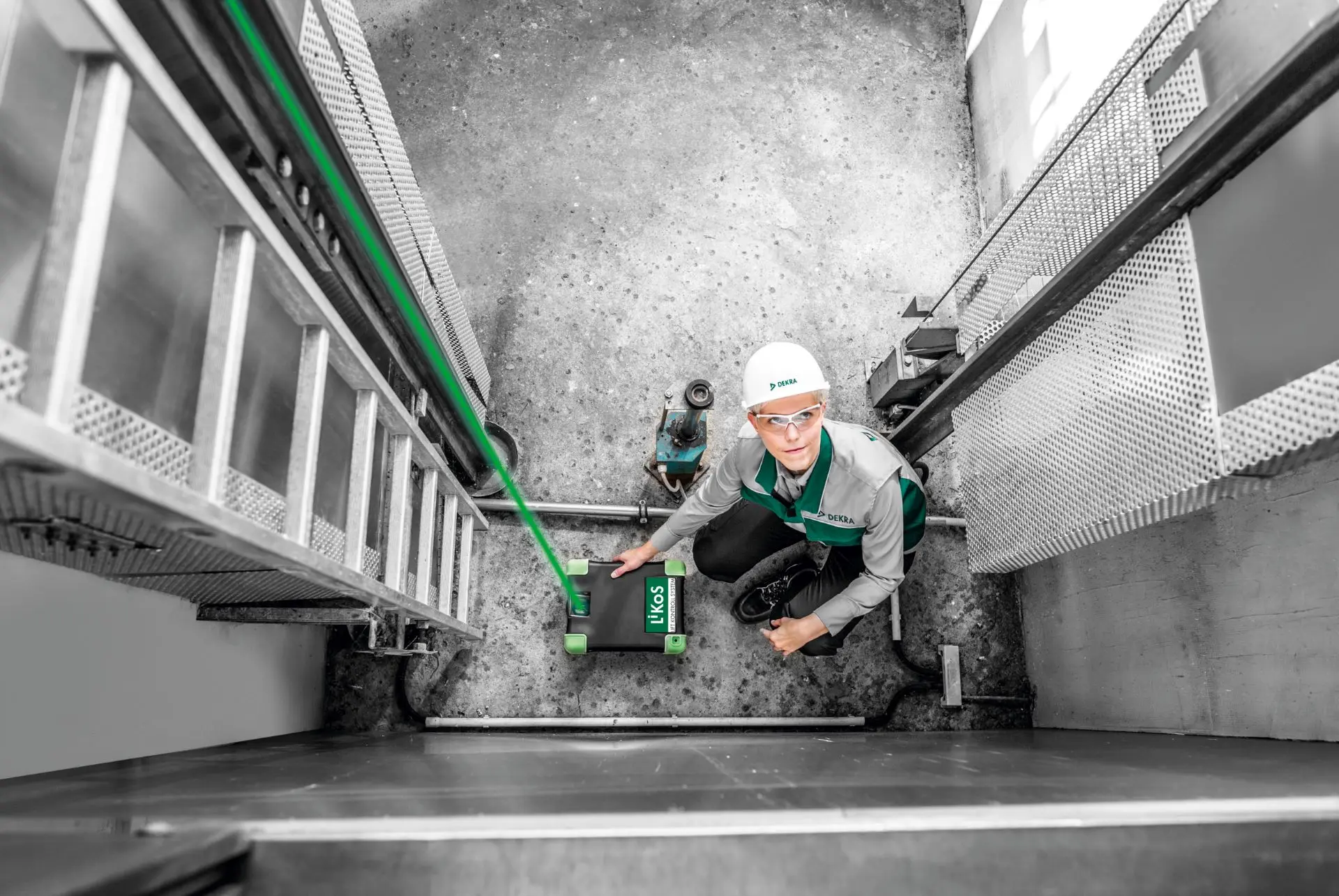
DEKRA for certification against Safety Culture Ladder step 2
If you are looking for a certification body to certify you against step 2 - or one of the other four steps - of the Safety Culture Ladder, look no further than DEKRA. Our experts will be happy to help you arrange everything. Together, we make business and industry demonstrably safer.
5 Results

Jan 17, 2025Audit / Construction / Safety at work
The Safety Culture Ladder in the construction industry
How does Safety Culture Ladder work in the construction industry? And what does GCVB have to do with it?
View article

Dec 19, 2023Audit / Safety at work
Safety Culture Ladder step 4
What is Safety Culture Ladder step 4 and how does certification work? Read more about step 4 in this blog.
View article

Oct 12, 2023Audit / Safety at work
Safety Culture Ladder step 3
Ready for Safety Culture Ladder step 3? Find out how to comply and strengthen your safety culture.
View article
Jun 30, 2023Audit / Safety at work
SCL (Safety Culture Ladder): the 4 variants
Want to get started with the SCL, but not yet sure which variant to choose? Read more about it in this blog.
View article
Feb 08, 2023Audit / Safety at work
What is the Safety Culture Ladder?
What is the Safety Culture Ladder? And how exactly does the certification process work? Find out in this blog.
View article