

Assessment Services
With Assessment Services, DEKRA offers tailor-made tests and assessments. You decide what's needed to get a grip on the processes in your organization.
Details

Certainty about sustainability: various audits in support of the circular economy
Certainty about sustainability: various audits in support of the circular economy
Raw materials are the building blocks of our economy. Due to the environmental burden these raw materials impose, as well as their increasing scarcity and rising costs, the need to manage available resources more intelligently is becoming increasingly important. Do you want to ensure that your circular company policy complies with industry standards? Discover the (mandatory) standards that apply to your organization.
Assessment Services
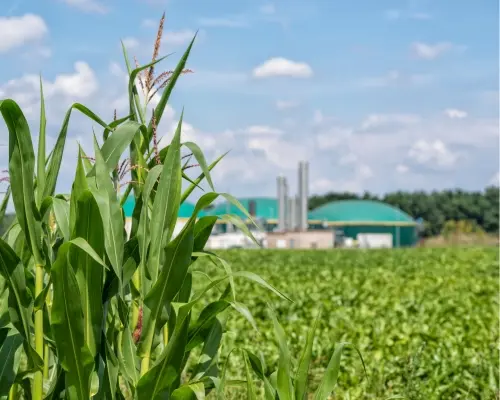
Better Biomass NTA 8080 certification
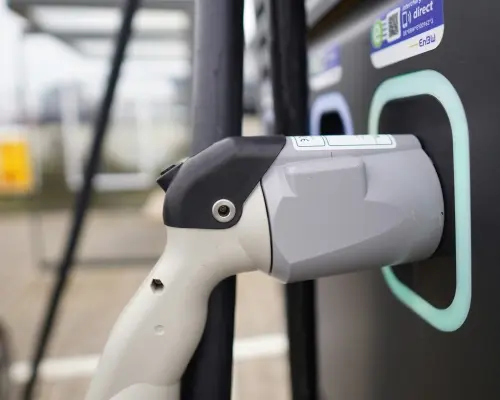
Entry verification for renewable energy (HBE)

ISCC certificate

ISCC EU certification
ISCC PLUS certification
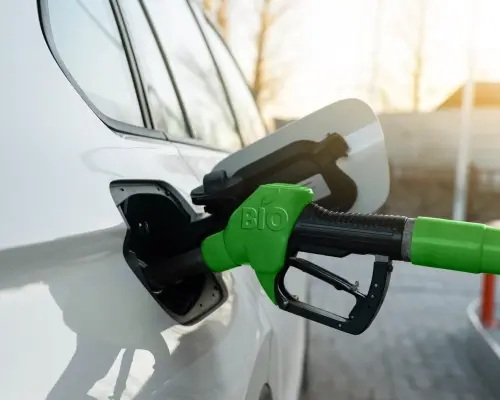
Verification Protocol Double Counting Biofuel
Meander 1051
6825 MJ Arnhem