Power generation and distribution

Lifecycle assurance for safe and reliable energy systems

Power generation and distribution of assets pass through several lifecycle stages, from planning and construction to operation and dismantling. Each stage presents regulatory, safety, environmental, and cybersecurity challenges.

The transition towards decentralized and renewable energy systems, digitalized grid infrastructure, and stricter compliance frameworks is increasing operational complexity. DEKRA supports utilities, manufacturers and operators with independent testing, inspection, certification and technical services that contribute to the reliability, resilience and sustainability of energy systems.

DEKRA’s global energy expertise

  • Lifecycle-based asset verification
    From planning and construction to operation and dismantling, DEKRA provides independent verification services that support regulatory compliance and asset integrity throughout the lifecycle.
  • Inspection and non-destructive testing
    Independent inspections, non-destructive testing, and technical assessments help identify defects and risks, support plant availability, and reduce unexpected downtime.
  • Cybersecurity and critical infrastructure
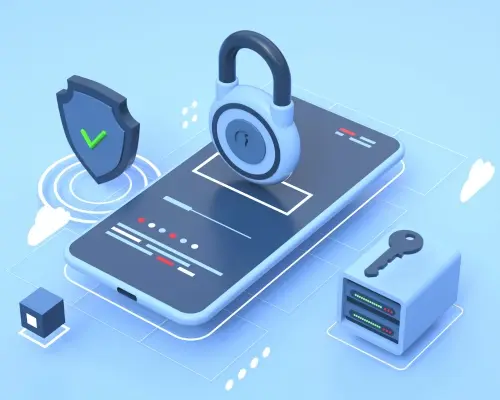
    Cybersecurity assessments and IT and operational technology security services help organizations protect critical energy infrastructure, grid stability, and operational continuity.
  • Renewable energy and sustainability
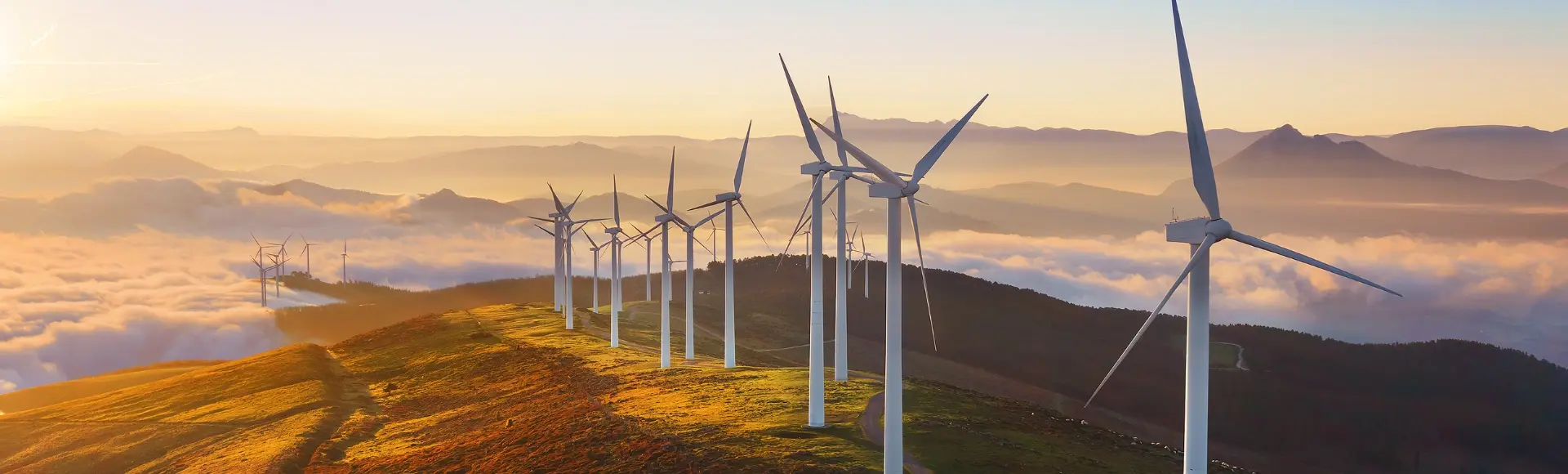
    Testing, inspection, certification and sustainability services support the safe integration of renewable energy technologies and compliance with applicable environmental requirements.
/>

Our approach

DEKRA applies a lifecycle-oriented and risk-based approach covering the planning, construction, operation and dismantling of energy assets. During planning and construction, services such as design verification, equipment certification and safety inspections help identify potential risks and implementation issues at an early stage.

Reliable operations and compliance

During operation, independent inspections, non-destructive testing and technical assessments support plant reliability, asset integrity, and maintenance planning. Environmental assessments, emissions verification and sustainability audits help organizations meet applicable regulatory requirements and climate objectives.

Cybersecurity and resilience

Cybersecurity assessments and IT and operational technology security services help protect critical infrastructure against cyber threats and operational disruption. By combining technical expertise with an international network of laboratories, inspection bodies and specialists, DEKRA supports the long-term safety, reliability and resilience of energy systems.

Frequently Asked Questions

Power generation and distribution of assets operate across long lifecycles, including planning, construction, operation, maintenance, and dismantling. Each phase introduces distinct safety, environmental, and regulatory risks. Independent verification at relevant lifecycle stages helps prevent compliance gaps from accumulating over decades of operation.
During planning and construction, third-party design verification and equipment certification can help prevent costly implementation errors. During operation, periodic inspections, non-destructive testing and safety audits support continued compliance and system reliability. Lifecycle-based assurance therefore contributes to long-term asset performance and regulatory conformity.
Beyond regulatory compliance, independent verification strengthens operational transparency and helps reduce systemic risk. Objective inspections support asset integrity management, reduce the likelihood of critical failures, and enhance credibility with regulators, investors and insurers. In politically sensitive or environmentally exposed regions, third-party verification can also help protect operational continuity and corporate reputation.
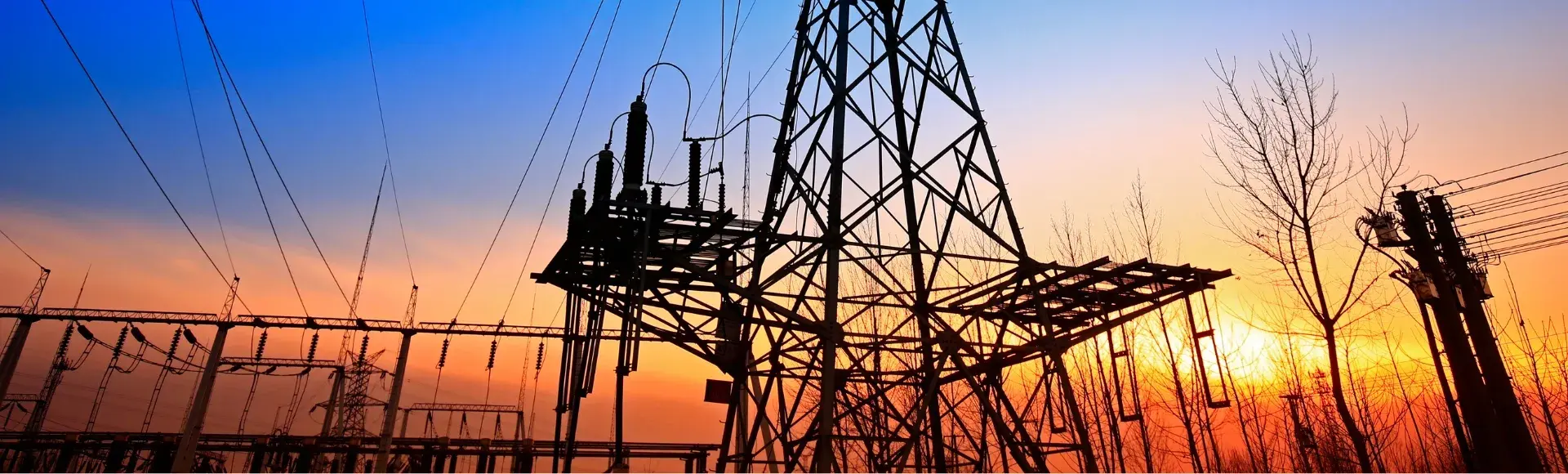
Energy infrastructure operates under high mechanical, electrical, and environmental stress. Failures in pressure equipment, transformers, switchgear or high-voltage installations can result in widespread outages or serious safety incidents.
Independent inspections, combined with suitable non-destructive testing methods, can detect early-stage degradation and help prevent critical failures. These services support preventive and predictive maintenance strategies, reduce the risk of unexpected downtime, and contribute to the overall resilience of energy infrastructure.
Operational resilience refers to an organization’s ability to maintain critical energy and infrastructure services during disruptive events, such as cyberattacks, system failures, or external crises. Regulatory authorities increasingly expect organizations to demonstrate how they manage these risks and maintain operational continuity.
Independent resilience assessments can examine business continuity management systems, crisis escalation procedures, recovery objectives, and scenario-testing mechanisms. This helps operators and infrastructure providers assess their ability to withstand operational disruption and restore critical services.
The energy sector is shifting towards decentralized generation, renewable energy integration, and digitalized distribution networks. This transformation introduces new technical and regulatory complexity, including environmental requirements, emissions, verification, and grid compatibility.
DEKRA provides testing, inspection, certification, assessment and sustainability services that support the safe and reliable integration of renewable technologies. Depending on the project and applicable requirements, these services can also support transparency concerning emissions, efficiency, and sustainability performance.
Modern power generation and distribution systems rely on digital monitoring platforms, SCADA systems, and interconnected grid control networks. While digitalization improves efficiency and visibility, it also increases exposure to cyber threats targeting critical infrastructure.
Independent cybersecurity assessments and IT/OT security services help organizations identify vulnerabilities and strengthen the security and resilience of their systems. Cyber resilience is directly linked to operational continuity and grid stability, as compromised digital systems can disrupt physical processes and critical energy services.